%2Ffit-in%2F250x250%2Fguide_websites%2F11649%2Fimages%2F343933429_201637609308493_862854815127889354_n.jpg&w=1920&q=100)
Caught a Black Drum Inshore in Jacksonville
Black Drum Fishing in Jacksonville
5.0

5 Reviews
- 5
 100%
100% - 4
 0%
0% - 30%
- 20%
- 10%
%2F%2Fusers%2F4e31189d-9f95-4218-972f-1d955ce26857%2Fimages%2Fblack-drum-fishing-jacksonville-adventure-3663.png&w=1920&q=75)
The Black Drum belongs to the order Perciformes and family Sciaenidae. It typically weighs between 15 to 90 lbs when fully mature. - Largest member of the drum family with nearly 300 related species. - Known for distinctive drumming or croaking sounds they produce. - Powerful jaws with strong teeth capable of crushing shellfish and oysters.
Fishing Charter by Captain Roland Bell in October
Meet your Captain Roland Bell
- Experience Jacksonville's Best Fishing Charters!


Summary
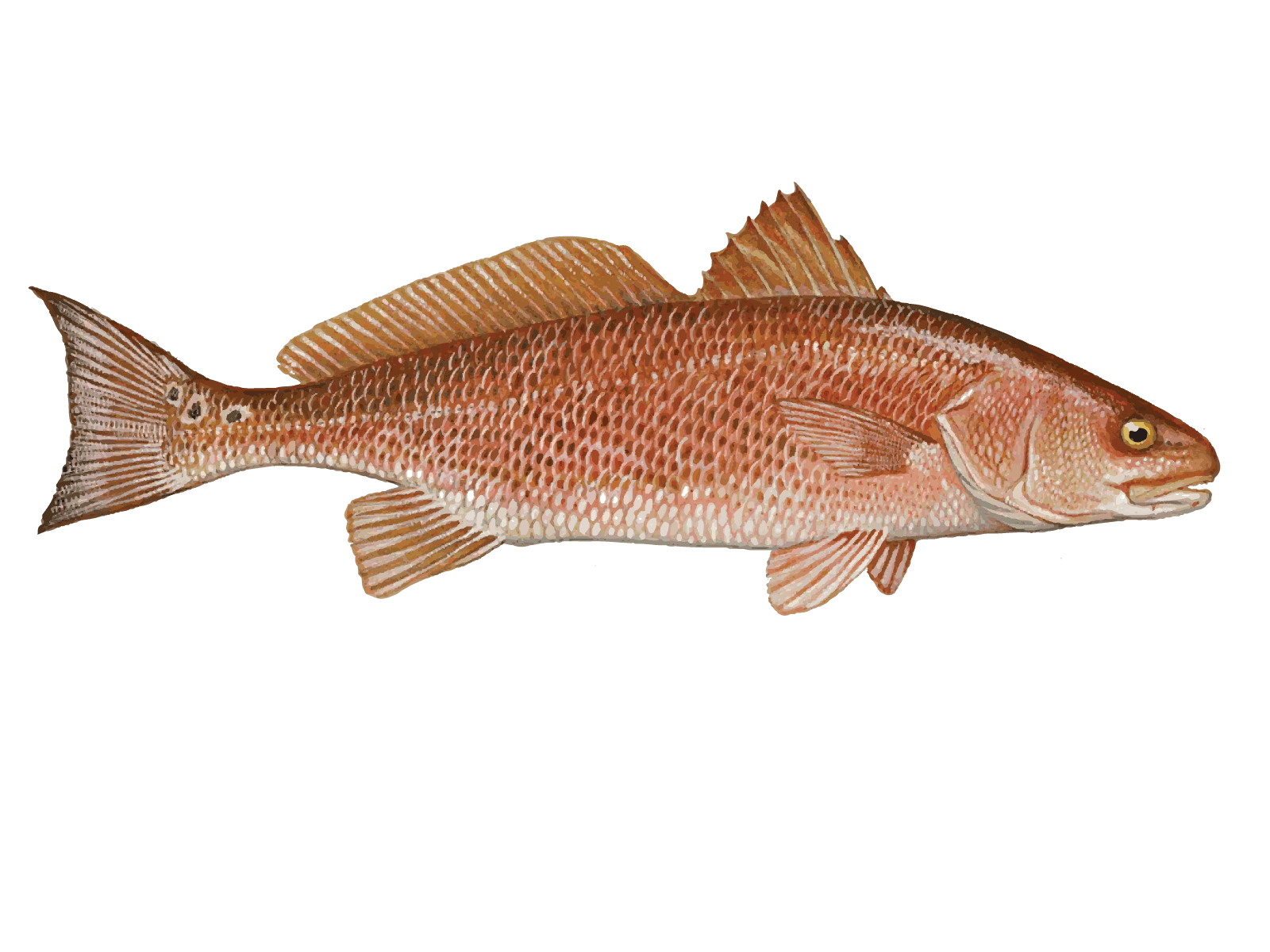
Captain Roland Bell of Bell & Anchor Fishing Charters on Monday October offers extended half-day fishing charters targeting black drum, redfish, and speckled trout in Jacksonville's productive inshore waters. These 6-hour guided trips focus on drift fishing and bottom fishing techniques around the Timucuan Ecological and Historic Preserve, where structure and abundant baitfish create ideal conditions for consistent action. Jacksonville's brackish waters and tidal flats provide excellent habitat for drum species, making this one of Florida's premier inshore fishing destinations for anglers seeking trophy catches and family-friendly adventures.
Fishing Charter with Captain Roland Bell – Rates & Booking
Captain Roland Bell of Bell & Anchor Fishing Charters on Monday October runs extended half-day fishing trips targeting black drum and other inshore species around Jacksonville's prime fishing grounds. These 6-hour charters accommodate up to 3 guests and include all necessary tackle, bait, and local expertise to maximize your time on the water. Roland specializes in drift fishing and bottom fishing techniques that consistently produce results in the Timucuan Ecological and Historic Preserve waters. Licensed and experienced, he knows exactly where to find fish when conditions align, whether you're working the flats or targeting structure. Book your Jacksonville fishing charter online to secure your spot for an unforgettable inshore fishing experience.
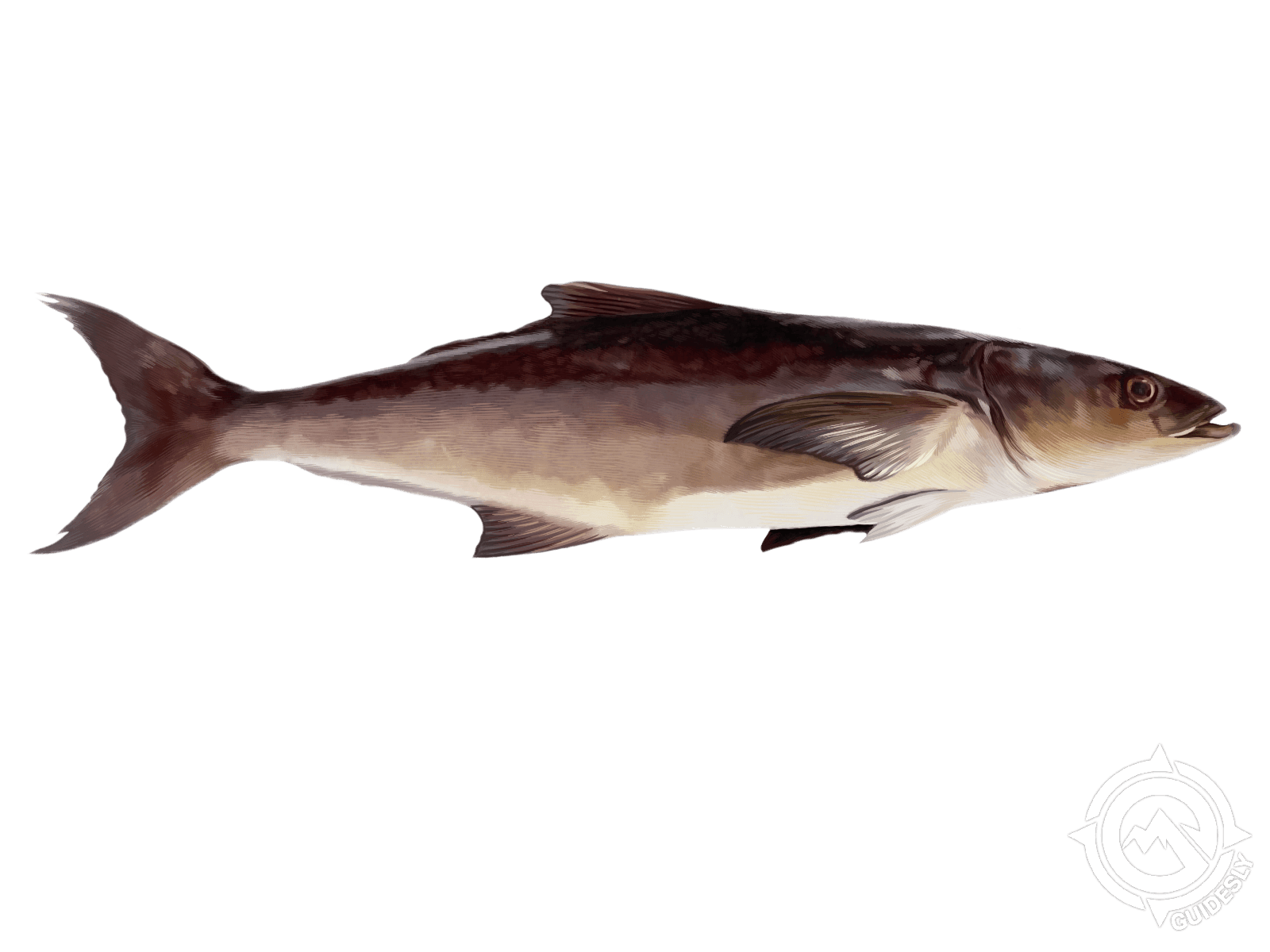
Highlights of Extended Half Day Guided Fishing Trip In Jacksonville, FL- Redfish, Cobia And More
This 6-hour fishing adventure provides ample time to explore Jacksonville's diverse inshore opportunities while targeting multiple species including black drum, redfish, and speckled trout. The extended format allows for working different techniques throughout the trip, from casting lures to bottom fishing productive structure. You'll have the option to arrange a relaxing lunch on the sandbar or take a break on a private beach, combining excellent fishing with scenic relaxation. The Timucuan Ecological and Historic Preserve offers some of the area's best inshore fishing, with abundant baitfish and varied structure that attracts trophy-sized drum and other gamefish year-round.
Recent trips have produced consistent action, with anglers landing keeper-sized black drum using light tackle techniques. The preserve's brackish waters and tidal movements create perfect conditions for drum fishing, especially during morning and afternoon tide changes when fish are most active.
Local Species Insights: Black Drum
Black drum thrive in Jacksonville's brackish waters and inshore flats, where they feed heavily on crabs, oysters, and other shellfish around structure. These powerful fish use their crushing jaws to break open hard-shelled prey, making them exciting targets for bottom fishing with cut bait or live crabs. In October waters around Jacksonville, black drum often school up near oyster bars and bridge pilings where food is abundant. Their distinctive drumming sounds can actually be heard underwater when schools are feeding actively. Roland targets these fish using proven techniques like drift fishing over productive bottom structure, where drum congregate to feed during tide changes.
Plan Your Fishing Charter Day
Your 6-hour charter includes all fishing tackle, bait, and safety equipment needed for a successful inshore fishing experience. The boat comfortably accommodates up to 3 anglers, providing plenty of room to fish effectively while maintaining a personalized experience. Trips typically start early morning or afternoon depending on tide conditions, with Roland adjusting departure times to maximize fishing opportunities. All necessary licenses and permits are handled, so you can focus on enjoying the fishing action. The extended half-day format provides flexibility to work different areas and techniques, ensuring you experience the best of Jacksonville's inshore fishing opportunities.
Fishing in Jacksonville: Black Drum
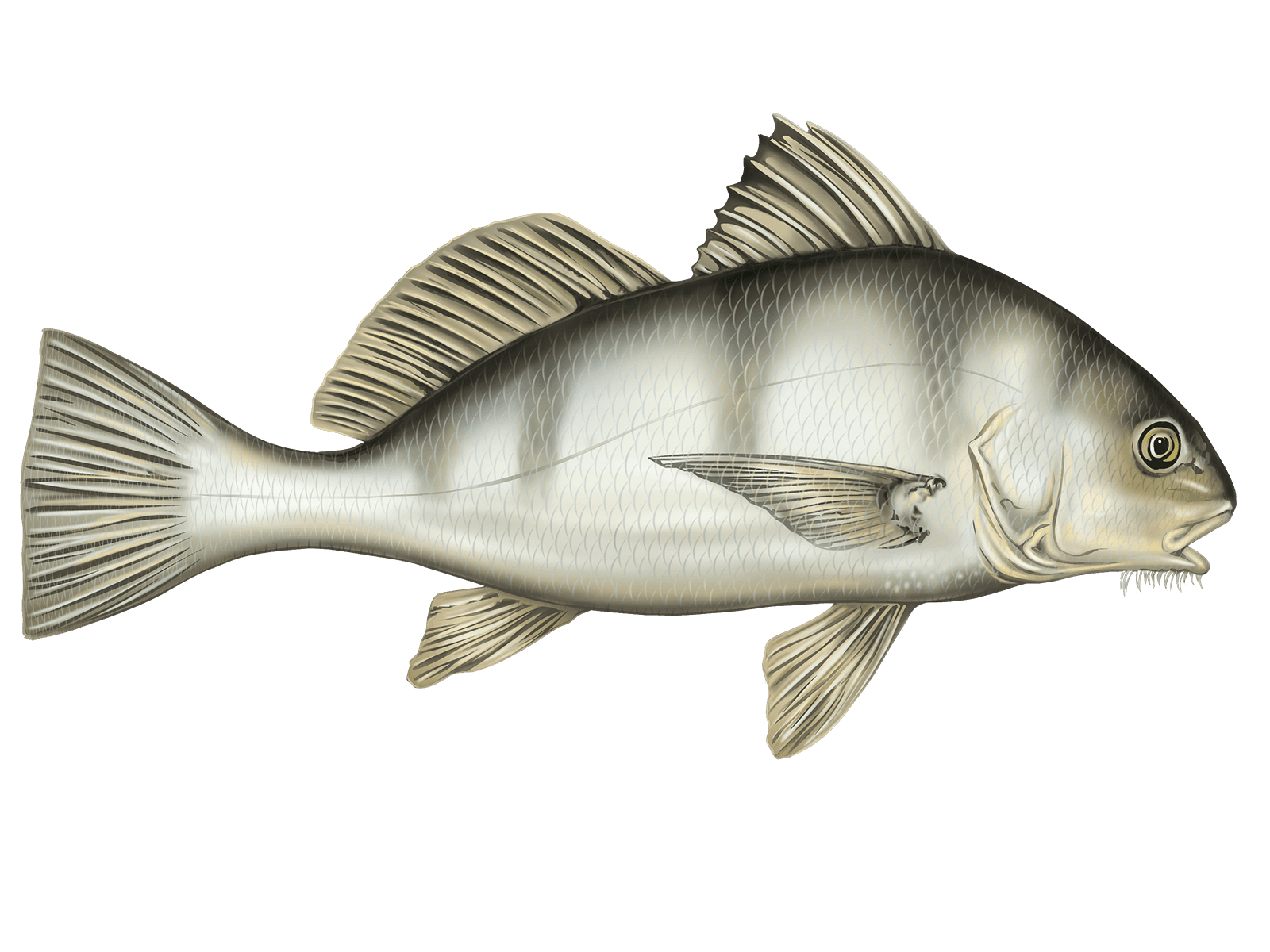
The Black Drum (Pogonias cromis) is the largest member of the Sciaenidae family, which includes nearly 300 species of drums and croakers. These powerful fish are easily recognized by their dark coloration and the distinctive drumming sounds they produce, which can actually be heard underwater when schools are feeding. In Jacksonville waters this October, black drum are particularly active around oyster bars and structure where they crush shellfish with their powerful jaws.
Black Drum Overview
Black drum are prized by inshore anglers for their size, fighting ability, and excellent table fare when properly prepared. These fish are known for their intelligence and wariness, making them challenging targets that require skill and patience. They're found throughout the Gulf Coast and Atlantic seaboard, with Jacksonville's brackish waters providing ideal habitat for both juvenile and trophy-sized adults.
Black Drum Habitat and Distribution
Black drum prefer brackish waters, estuaries, and nearshore areas where fresh and salt water mix. Around Jacksonville, they're commonly found in the Timucuan Ecological and Historic Preserve, where oyster bars, grass flats, and tidal creeks provide abundant food sources. These fish move with the tides, often concentrating around structure during feeding periods.
Black Drum Size and Weight
Adult black drum typically range from 15 to 90 pounds, with fish over 50 pounds considered trophy catches. Younger drum in the 15-30 pound range are often preferred for eating, while larger specimens are frequently released to maintain the fishery. The largest black drum on record exceeded 100 pounds, though such giants are rare in most waters.
Black Drum Diet and Behavior
Black drum are bottom feeders that use their powerful pharyngeal teeth to crush oysters, clams, crabs, and other hard-shelled prey. They feed most actively during tide changes when water movement stirs up food sources. These fish often feed in schools, creating the drumming sounds that give them their name as they communicate and compete for food.
Black Drum Spawning Season
Black drum spawn in nearshore waters during late winter and early spring when water temperatures reach the mid-60s. During spawning season, large schools gather in deeper water, making distinctive drumming sounds that can be heard for miles. After spawning, adults return to inshore waters to feed and recover.
Black Drum Fishing Techniques
Bottom fishing with cut bait, live or dead shrimp, and blue crabs produces consistent results for black drum. Circle hooks are recommended to reduce deep hooking, especially when targeting larger fish for release. In October around Jacksonville, anglers find success fishing oyster bars and creek mouths during moving tides, using medium to heavy tackle to handle these powerful fish.
Black Drum Is It Good to Eat?
Smaller black drum (15-30 pounds) offer excellent table fare with firm, white meat that's mild in flavor and low in mercury. The meat is versatile and works well grilled, blackened, or in fish tacos. Larger drum tend to have coarser meat and may contain parasites, so many anglers practice catch and release for trophy-sized fish.
Black Drum Frequently Asked Questions
Q: What is the best bait for black drum?
A: Cut mullet, blue crabs, and fresh dead shrimp are top producers. Live shrimp and small crabs work well for smaller drum, while larger baits like cut stingray or big chunks of mullet attract trophy fish.
Q: Where can I find black drum near Jacksonville?
A: The Timucuan Ecological and Historic Preserve offers excellent black drum fishing around oyster bars, creek mouths, and grass flats. Bridge pilings and dock structures also hold fish, especially during tide changes.
Q: Is black drum good to eat?
A: Yes, smaller black drum (15-30 pounds) are excellent table fare with firm, mild white meat. Larger fish are often released due to coarser meat texture and potential parasite issues.
Q: When is the best time to catch black drum?
A: Moving tides produce the best action, particularly during the two hours before and after tide changes. Early morning and late afternoon are prime times, with cooler months often producing larger fish.